I have been a chiropractor in Charlottesville for 18 years, and the thing that most often sits behind a patient's stubborn low back pain is not a disc, a muscle strain, or a desk chair. It is a mattress that stopped holding their spine somewhere around year seven. So this mattress and cooling topper comparison is not about fabrics or layer counts. It is about one question: does the setup hold a neutral spine for eight hours, and does it still do that next year?
I have slept on more than 60 mattresses in the last decade, run a pressure map on every one of them, and kept a logbook of which beds my patients stop complaining about. That logbook is why I trust construction specs and pressure distribution more than any firmness label. "Medium" means nothing across brands. Support means everything.
For most people, the strongest setup in this group is the 14 inch hybrid full mattress as the base, with the 4 inch extra firm topper reserved for a bed that has gone soft, and the SAITRIO Air1 as the only genuine cooling upgrade of the four. The 3 inch 5-zone topper is the low-cost experiment, and a good one, as long as you understand what a topper can and cannot do.
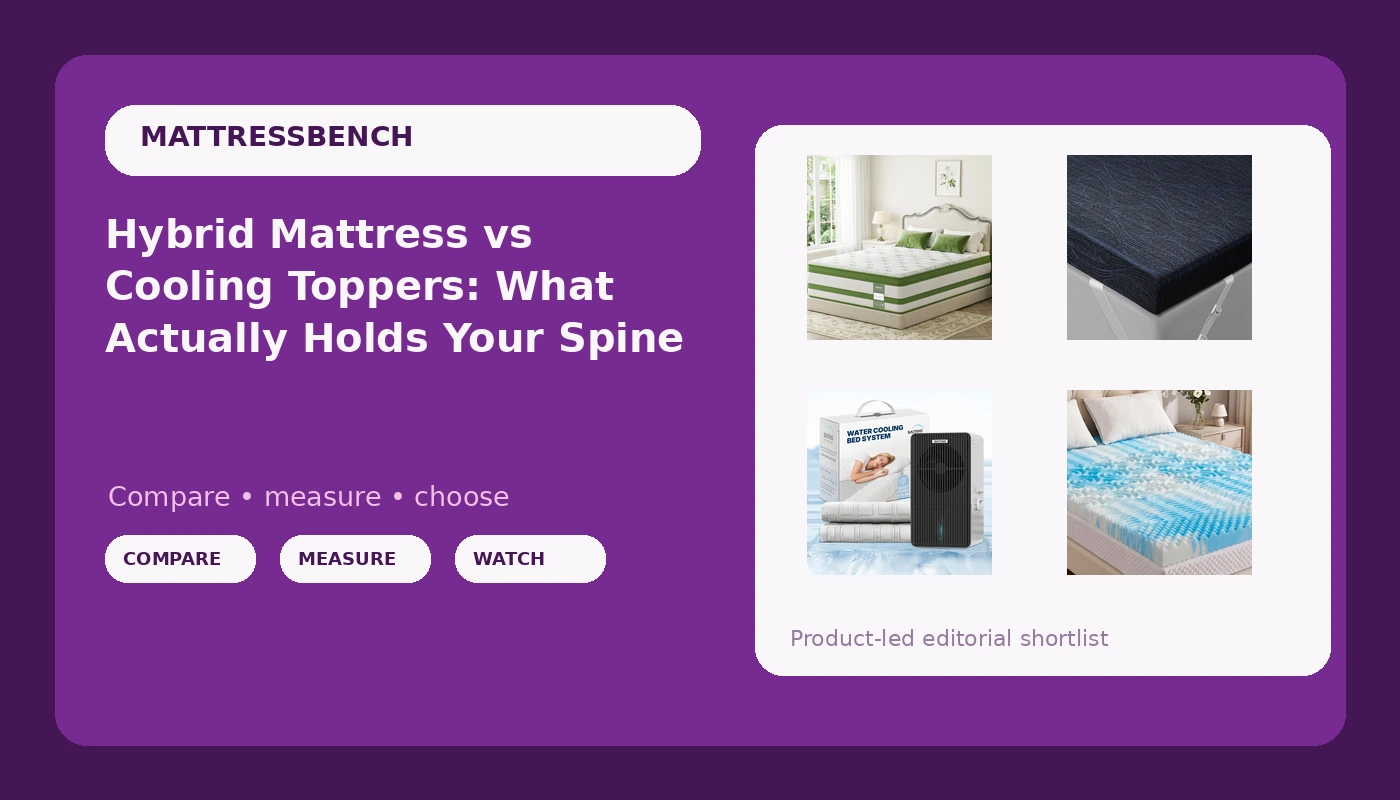
Full Size Mattress 14 Inch Hybrid
Coil core plus foam comfort, 7-zone pocketed coils, 365-night trial, CertiPUR-US
"Medium firm" is a label, not a measurement; full size limits couples; 14 inches needs deep sheets
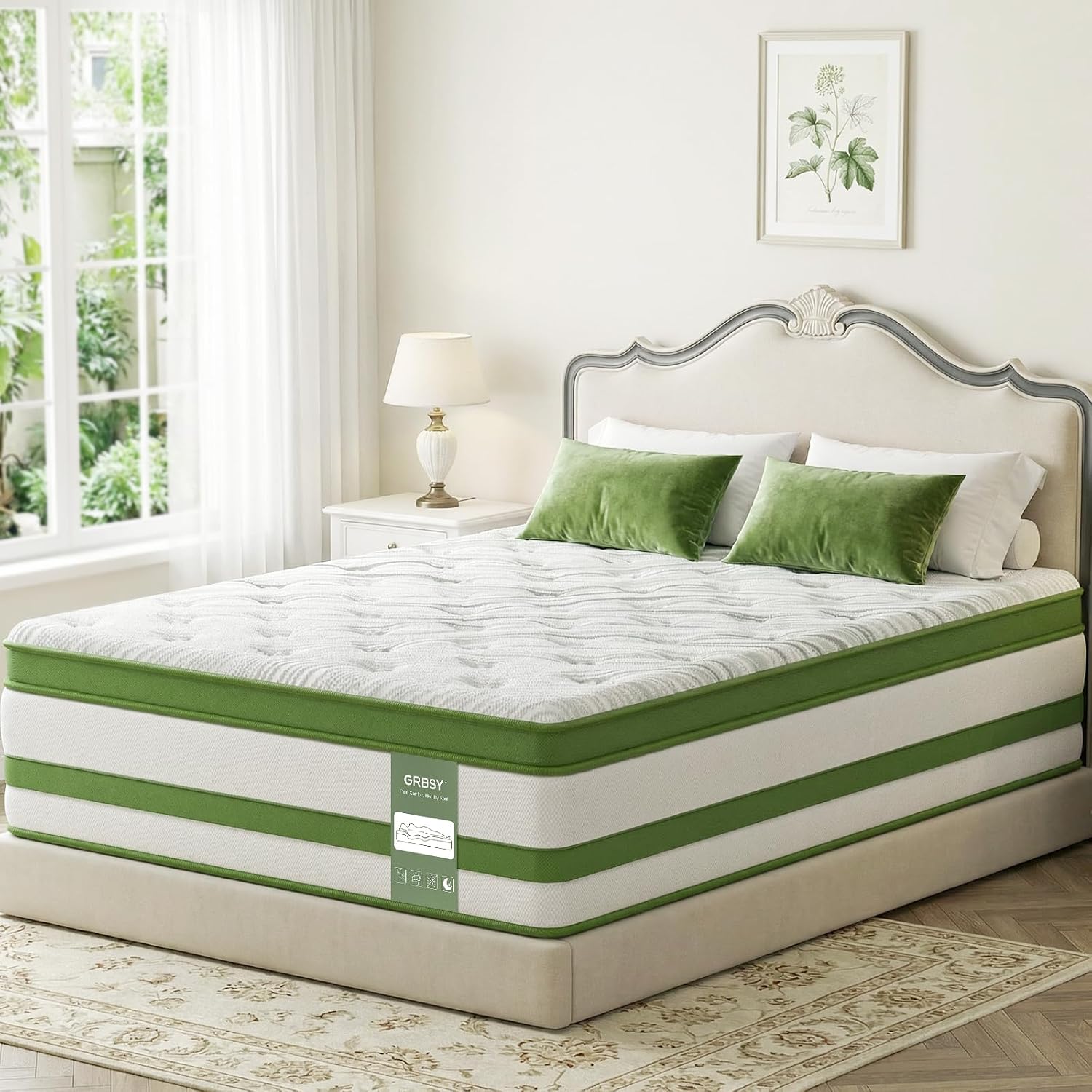
Extra Firm Mattress Topper Queen Size, 4 Inch
High density foam is the right durability spec, washable cover, 120-night trial
Queen only; 4 inches changes feel substantially; cannot repair a broken coil unit
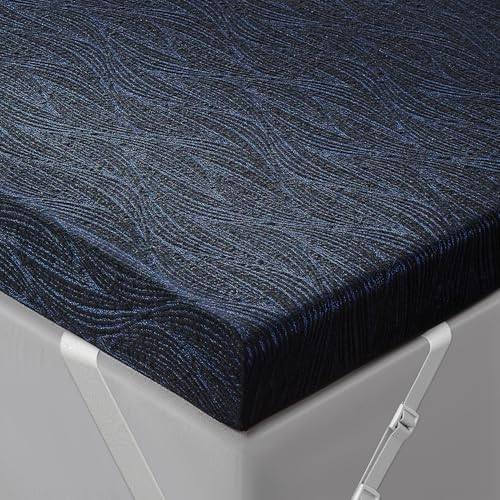
SAITRIO Bed Cooling System Air1 (Twin)
Built as a cooling system, not a gel marketing layer
Twin only; a pad changes temperature, not support
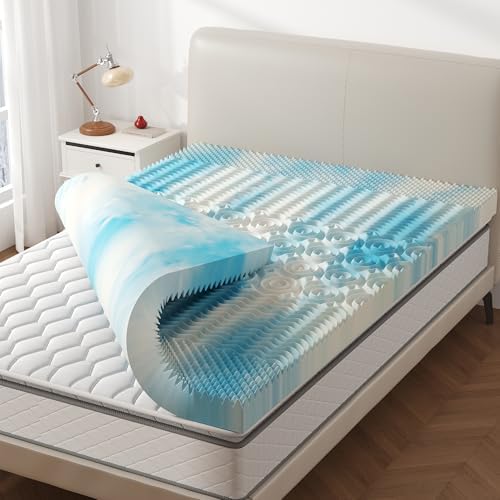
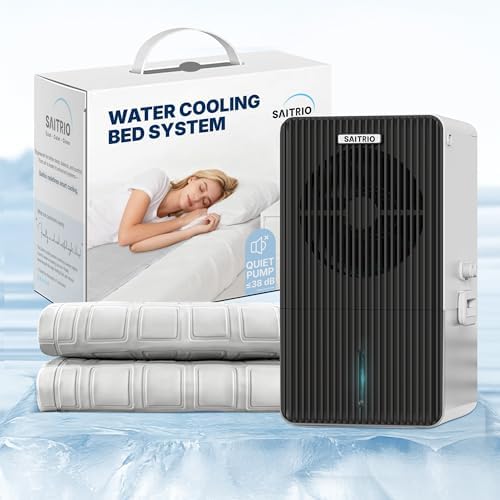
3 Inch 5-Zone Cooling Gel Memory Foam Topper Full
Cheapest way to test a topper, reversible, CertiPUR-US
Soft means less support; 3 inches is thin for a real sag; dorm and RV use is hard on foam
Prices and availability were captured from Amazon Creators API and may change.
How I judge a sleep setup
Four things decide whether a bed setup works for a spine, and none of them are on the marketing card.
The first is pressure distribution. A pressure map shows where your weight concentrates. If your hips and shoulders are carrying load while your lumbar area floats, you will wake up stiff no matter how plush the top layer feels. The honest test of support is not how a bed feels in a showroom for ten minutes. It is where the pressure sits at hour six.
The second is alignment. Support is universal even when firmness is personal. A bed that lets your pelvis sink lower than your shoulders puts your lumbar spine into extension all night, and that is the mechanism behind a lot of the morning back pain I treat.
The third is edge support. If you sit on the edge of your bed to put on socks and the edge collapses, you have a bed narrower than you paid for. Coil units and dense foam handle this differently, and it is one of the few things you can test in a store in ten seconds.
The fourth is foam density. Density is weight per cubic foot, and higher density means the foam holds its structure longer. A cheap topper with low density foam feels great in month one and develops a body-shaped divot by month eight. That is why I care about the words "high density" on a spec sheet more than the word "cooling."
The base: a 14 inch hybrid full mattress
This is the only complete bed in the group, and the one I would start with for anyone who needs a new mattress rather than a patch for an old one. The construction is a hybrid: a pocketed coil core for support and airflow, with memory foam layers above it for pressure relief. The coils are zoned, seven zones here, which is a design intended to give the middle of the bed a firmer response under the hips while keeping the shoulder area softer.
Pocketed coils matter for a specific reason. Each coil moves independently, which is what limits motion transfer. If you share a bed with someone who turns over at 2 a.m., a pocketed coil hybrid is a reasonable answer, though an all-foam bed still transfers less movement.
Two things to notice in the name. First, "medium firm" is a label, not a measurement. Every brand's medium is different, and one company's medium can measure firmer than another company's firm. Judge it by whether your hips stay level with your shoulders, not by the word on the box. Second, this is a full size, which is a real footprint decision. A full is 54 inches wide. Fine for one sleeper, fine for two people who like each other, tight for two people who do not.
The 14 inch profile is worth planning for. Measure your sheets and your frame before it arrives. The 365-night trial is one of the longer windows in the category, and that matters because a hybrid needs a break-in period before it feels like the bed you will actually own. CertiPUR-US certification speaks to foam content and emissions rather than comfort, but it is a baseline I want to see on anything I recommend. You can Visit on Amazon → to see the current configuration.
What it will not do: a coil core is not the quietest option for a very light sleeper sharing with a much heavier partner, and no bed in a box is going to feel like a hand-tufted innerspring.
The extra firm topper: 4 inches of high density foam
Toppers are the most misunderstood product in sleep. A topper is not a mattress repair kit. It cannot fix a broken foundation, a bent frame, or a coil unit that has lost its shape. What a good topper can do is change the surface you sleep on, and that is a legitimate fix when a mattress is too soft for your back but too new to replace.
This one is a 4 inch queen, extra firm, high density memory foam with a cooling gel infusion and a washable cover. The two specs that matter are thickness and density. Four inches is enough material to genuinely change how a bed feels rather than just adding a thin comfort layer. High density is the durability spec, and it is the one I would check first, because the most common topper failure I see is a low density layer that compresses into a permanent hollow.
Extra firm is right for a specific person: the sleeper whose mattress has developed a soft spot under the hips, or who sinks into a plush bed and wakes up with a lumbar ache. It is the wrong call for someone who needs pressure relief at the shoulders, because extra firm foam does not give. You can Visit on Amazon → for the sizing details.
Two practical notes. A washable cover is not a small feature on a topper, since toppers cannot be cleaned any other way. And the cooling gel infusion here is a passive feature. Gel can move heat away from the surface for a while, but it is not air conditioning, and I will get to what actually moves heat next. Queen size only is the limitation: if your bed is a full or a king, this topper will not fit it.
The active cooling pad: SAITRIO Air1 in twin
Cooling is the most overhyped claim in this industry, so I want to be precise about two categories. A gel-infused foam layer is passive. It absorbs some heat at the surface, then reaches equilibrium with your body, which is why a gel topper feels cool for twenty minutes and then feels like a normal topper. An active cooling system is different in kind: it is built to circulate air or a cooling medium, which is what the SAITRIO Air1 is designed to do as a bed cooling system rather than a foam layer with a gel additive.
That distinction is why this is the only product here I would call a genuine cooling upgrade. It is a pad, so it sits on top of whatever you already own, and its job is temperature rather than support. If you sleep hot and your mattress is otherwise fine, this is the right category of product. If your problem is that your hips sink, a cooling pad will not help you, and no amount of airflow will change your alignment.
The catch is the size. This is a twin, which makes it a fit for a kid's bed, a dorm, a guest room, an RV, or a solo sleeper. It will not cover a queen or a king, so if you sleep in a bigger bed this is not your product. Twin also means a single sleeper, so partner considerations drop out entirely. You can Visit on Amazon → to check the dimensions.
One honest note about all cooling products: they change the temperature of the surface, and that is it. They do not change the temperature of the room, and if your bedroom is 78 degrees at night, a cooling pad is fighting a losing battle against physics.
The budget option: 3 inch 5-zone gel topper in full
At the other end of the price range is this 3 inch full size gel memory foam topper, zoned in five sections, soft, and reversible. Reversible is a feature I like more than most reviewers do, because it gives you two surfaces to test without buying twice.
The zoning is the interesting part. A zoned topper varies its firmness across the surface, generally firmer in the middle where your hips and lower back land and softer toward the head and foot. For a sleeper with hip or shoulder pressure points, that is a sensible design.
Where I would set expectations: the word "soft" in the name tells you what this is. It is a pressure relief product, not a support product. If your mattress is already too soft, adding a soft topper makes the problem worse. Three inches is also thin for masking a real sag, so this is a comfort upgrade for a mattress that is fundamentally sound. You can Visit on Amazon → to see the reversible construction.
The intended uses listed for it, dorm, RV, and camping, tell you the honest story. This is a way to make a hard or cheap sleep surface tolerable without buying a mattress, and it is the cheapest experiment in the group. The trade-off is lifespan. Foam this thin, used on a fold-out couch or an RV bunk, will not hold up the way a 4 inch high density layer will. CertiPUR-US certification is present, which is the minimum I want on any foam that will sit inches from your face for eight hours a night.
The size problem nobody mentions
Here is the practical catch in this whole comparison, and it is not about foam. These four products are four different sizes. The hybrid mattress is a full. The extra firm topper is a queen. The SAITRIO cooling pad is a twin. The 3 inch topper is a full.
That means only two of these products can go on the same bed: the full hybrid and the full 3 inch topper. Everything else is a separate purchase for a separate bed. If you were imagining stacking a queen topper on a full mattress, you cannot. If you wanted the cooling pad for the bed you share with a partner, a twin will not cover it.
This is exactly the kind of detail that gets lost in a spec table, and it is why I want you to measure your mattress before you order anything. A topper that hangs over the edges, or leaves six inches of bare mattress at the foot, is not doing its job.
Trade-offs that matter more than the spec sheet
A topper is a workaround, not a solution. The best use of a topper is a mattress that is still structurally sound but wrong for your back. If your mattress sags in the middle, the coil unit or the base foam is done, and no topper fixes that.
Cooling is a temperature problem, not a comfort problem. If you wake up hot, fix the room, the bedding, and the airflow before you spend money on a gel layer. Then, if you still sleep hot, buy a product built as a cooling system.
Firmness labels do not transfer. The hybrid here is called medium firm, the topper is called extra firm, and the 3 inch topper is called soft. Those words are marketing categories, not measurements. The only reliable test is whether your spine stays level.
Trials are worth more than reviews, including mine. Two of these products carry 365-night and 120-night trial windows. That is enough time to learn whether a bed holds your alignment in month three, which is when a lot of problems show up and long after a store return window has closed.
Who should buy which
If you need a mattress and not a patch, the 14 inch hybrid full is the starting point, and the long trial window is the reason I would not hesitate to test it.
If you have a mattress that is still in good shape but too soft under your hips, the 4 inch extra firm topper is the targeted fix, provided you sleep on a queen.
If you sleep hot and your mattress is fine, the SAITRIO Air1 is the only product here designed to move heat rather than sit on it, as long as a twin bed is what you sleep in.
If you are furnishing a dorm, an RV, or a guest room and you want to spend as little as possible to make a bad surface sleepable, the 3 inch 5-zone topper is the sensible buy, with the understanding that you are buying comfort, not support.
Bottom line
Support is universal even though firmness is personal, and that is the lens I would use on all four of these. The hybrid is the only complete bed here and the only one that addresses alignment from the foundation up. The extra firm topper is the smartest fix for a bed that has gone soft under your hips. The SAITRIO Air1 is the only real cooling product in the group, and the 3 inch topper is the cheapest way to find out whether a topper approach works for you at all.
Buy the one that matches your actual problem, measure your bed first, and give whatever you choose a full month before you decide. Thirty nights is the minimum I will accept before I trust a bed, and it should be your minimum too.