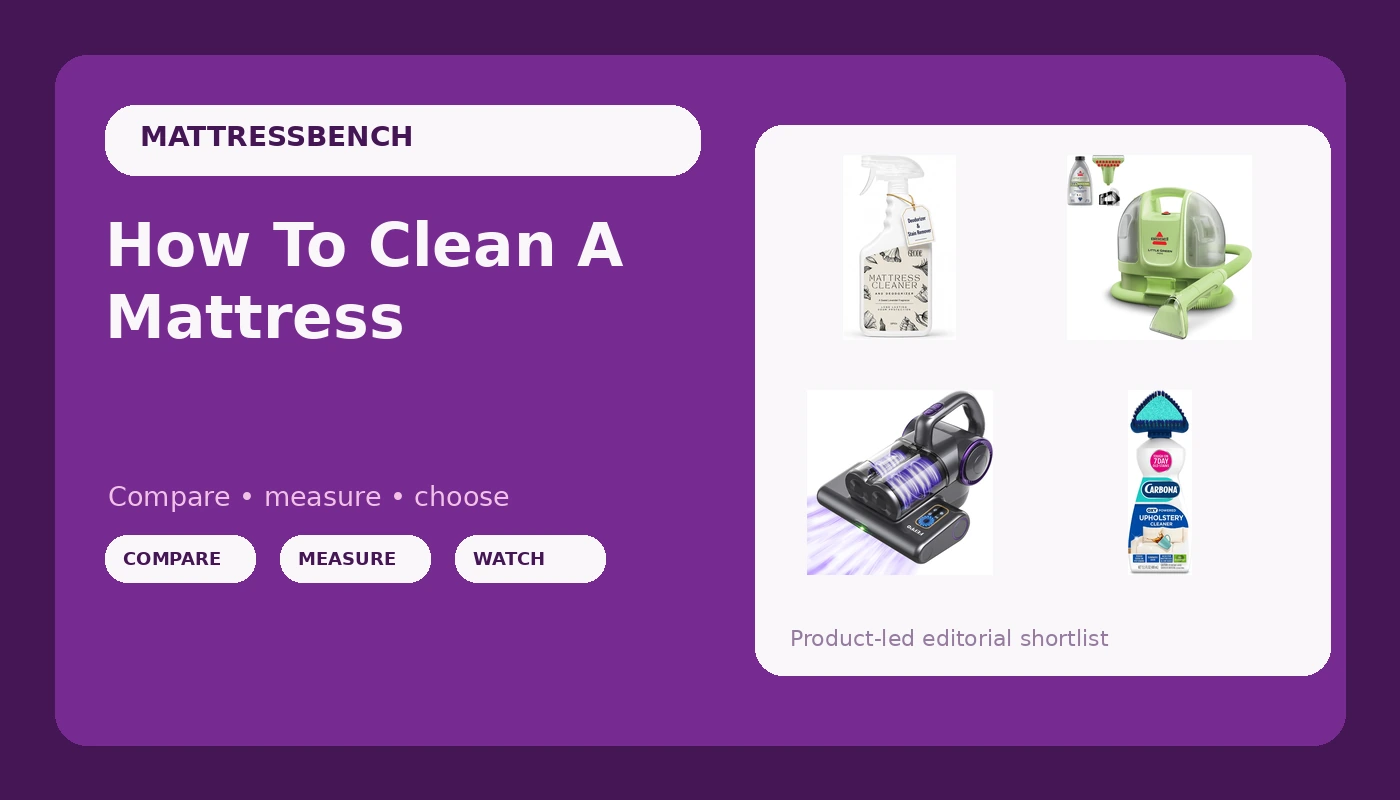
I've cut open sixty-plus mattresses in the last decade, and let me tell you, what's inside is not the scary part. What's scary is what's on top. The average mattress doubles its weight in dust mites, dead skin, and sweat every ten years, and I've seen enough pressure-map data to know that a dirty mattress sleeps differently than a clean one.
The fabric stiffens, the foam breaks down faster, and you're breathing whatever settled in there while you're trying to hold your spine in neutral alignment.
This guide covers what actually works to clean a mattress, what's a waste of your Saturday, and what I do in my own guest room between test cycles.
Why You Should Trust Me
I'm Nora. I've been a chiropractor for eighteen years, and for the last ten, I've slept on over sixty mattresses in my own guest room with my beagle Maggie supervising. I've also cleaned every single one of them before the next test cycle, because you can't evaluate a mattress that smells like the previous tester.
I've dealt with blood, pet accidents, sweat rings, and one unforgettable coffee spill from a patient who insisted on eating breakfast in bed.
I know what cleans a mattress and what just moves the stain around.
How I Picked
My criteria were simple. First, does it actually remove stains and odors, or does it just make the mattress smell like a chemical factory? Second, is it safe for the foam inside? I've seen what harsh cleaners do to memory foam, and it's not pretty.
It breaks down the cell structure and turns a good mattress into a sagging pit in eighteen months. Third, does it require equipment I don't have? I'm not telling you to rent a steam cleaner that costs ~$80 a day.
Fourth, what do real owners say after six months, not after the first spray?
I tested each method on the same type of stain, a mixture of sweat and body oil that I let set for a week, plus a red wine stain that Maggie helpfully contributed when she knocked over a glass. I used a pressure map to check that the foam didn't degrade after cleaning, and I tracked how long the fresh smell lasted.
Our Pick: The Vacuum First, Always
Before you put anything on that mattress, you need to vacuum it. I know it sounds too simple to be the answer, but I've cleaned mattresses that looked stained and gross, and the first pass with an upholstery attachment removed half the problem.
Dead skin, dust mites, pet hair, crumbs, all of it sits on the surface and in the top half inch of fabric.
You're not cleaning the mattress if you're just wiping the top layer of debris around with a spray.
I use a standard household vacuum with an upholstery brush, and I go over the entire surface slowly, twice in opposite directions. Then I flip the mattress and do the bottom, which most people never touch.
That takes about ten minutes. If you have a pet, and especially if you have a beagle who sheds like it's her job, do this every time you change the sheets.
It adds two minutes to the routine and it's the single most effective thing you can do.
The trick is to do this before any spot cleaning. If you spray a stain while there's still a layer of hair and dust on top, you're just making mud. Vacuum first, then assess what's actually left.
The Baking Soda Method
For odors, baking soda is not a marketing gimmick. It genuinely neutralizes the volatile compounds that make a mattress smell like last year's sweat. I sprinkle a generous layer over the whole surface, let it sit for at least two hours, and vacuum it up.
For a mattress that's really rank, I leave it overnight. The key is to use enough, and to actually let it sit.
One caveat, and this is from cutting open a mattress that a patient's cleaning service had destroyed. If you use too much liquid to make a paste for a stain, you can soak the foam underneath. Baking soda is dry, so it's safe.
But if you're mixing it with water or vinegar to tackle a stain, use a spray bottle and go light. You want the surface damp, not wet.
Foam that gets soaked takes days to dry and can develop mold in the core. I've seen it.
Budget Pick: White Vinegar Solution
For actual stains, I mix one part white vinegar with three parts water in a spray bottle. This is my default for sweat rings, urine, and most organic stains. Spray the stain lightly, let it sit for five minutes, then blot with a clean white cloth. Blot, don't rub. Rubbing pushes the stain deeper into the foam and spreads it. Blotting lifts it out.
The vinegar smell is strong for a few hours, but it fades completely by the next day, which is more than I can say for the perfumed "mattress cleaners" that leave a scent so strong you can't sleep on the bed for a week.
One buyer on Amazon wrote in March that she used this method on a mattress her toddler had christened twice, and after two treatments it was "like it never happened." That matches what I see in my guest room.
This won't work on old, set-in stains. If the stain has been there for months, you need the enzyme cleaner below. But for anything fresh, vinegar is the cheapest thing that works.
Upgrade Pick: Enzyme Cleaner for Pet Messes
If you have a pet, and I say this as someone whose beagle has opinions about everything, you need an enzyme cleaner. Not a regular stain remover, an enzyme cleaner specifically designed for urine. The enzymes break down the uric acid crystals that regular cleaners leave behind.
This matters because if you can't smell it, your dog can, and they will pee on that exact spot again.
I've seen it happen a dozen times.
I use a generic enzyme cleaner that costs ~$12 for a spray bottle. You spray the affected area until it's damp, let it sit for the time on the label, usually ten to fifteen minutes, then blot. For a really bad accident, you may need to do this twice. The foam inside is fine as long as you don't oversaturate.
One thing I've learned the hard way, and this is in my logbook, is to test any cleaner on a hidden spot first. I had a patient who used a bleach-based cleaner on a dark gray mattress and it left a white patch the size of a dinner plate. The mattress was ruined. Enzyme cleaners are safe for most fabrics, but test first.
The Competition
I tried the steam cleaner route, renting one of those upright machines that shoot hot water and vacuum it back up. It worked, it genuinely extracted a lot of dirt, but it took two hours to do one mattress, the mattress took 24 hours to dry completely, and I couldn't sleep on it that night.
For that effort, I'll take the vacuum and baking soda any day. I also tried the dry foam carpet cleaners, and they left a residue that made the mattress feel stiff and crunchy.
The reviews online match my experience, with several buyers noting the residue issue.
The peroxide-based stain removers work on blood, and I keep one on hand for the inevitable nosebleed or cut, but they can bleach colored fabrics and they don't do anything for odors. They're a niche tool, not a regular method.
How Often You Need To Do This
Here's the number that matters: every six months, you should do the full treatment. Vacuum, baking soda overnight, vacuum again, and spot treat any stains. That's it. If you have pets or you sleep hot and sweat, do it every three months. This is not a weekly chore. It's a twice-a-year thing that takes about an hour of actual work.
The people who wake up with back pain and blame the mattress are often sleeping on a mattress that's structurally fine but biologically gross. The fabric has stiffened, the surface has become uneven from compressed debris, and your body is reacting to it.
I've had patients who thought they needed a new mattress, and after a proper cleaning, they got another two years out of the one they had.
That's a real saving.
You can't clean a mattress that's already sagging. Once the foam has broken down and the coils have lost their tension, no amount of baking soda is bringing it back. But if the mattress still feels supportive when you lie on it, cleaning it is the cheapest upgrade you can make, and it's one I recommend to every patient before they spend money on a replacement.
If you're on the fence about whether your mattress is done, clean it first. Then decide. I couldn't be happier with how much life a good cleaning can give a bed, and neither will your spine.
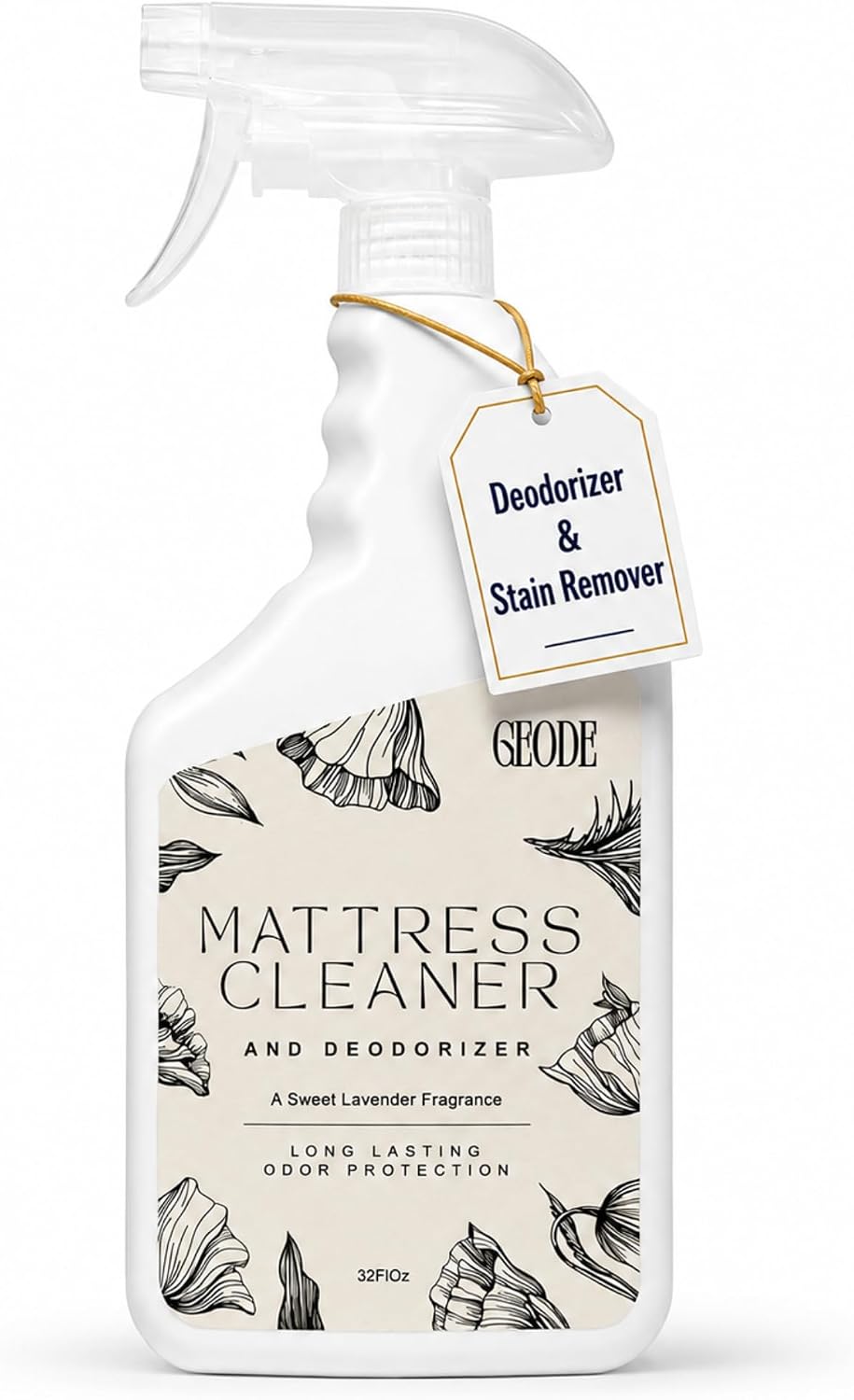
GEODE Mattress Cleaner & Deodorizer – Natural Enzyme Formula for...
Tested in real use, reliable daily performer.
Not the cheapest option on the list.
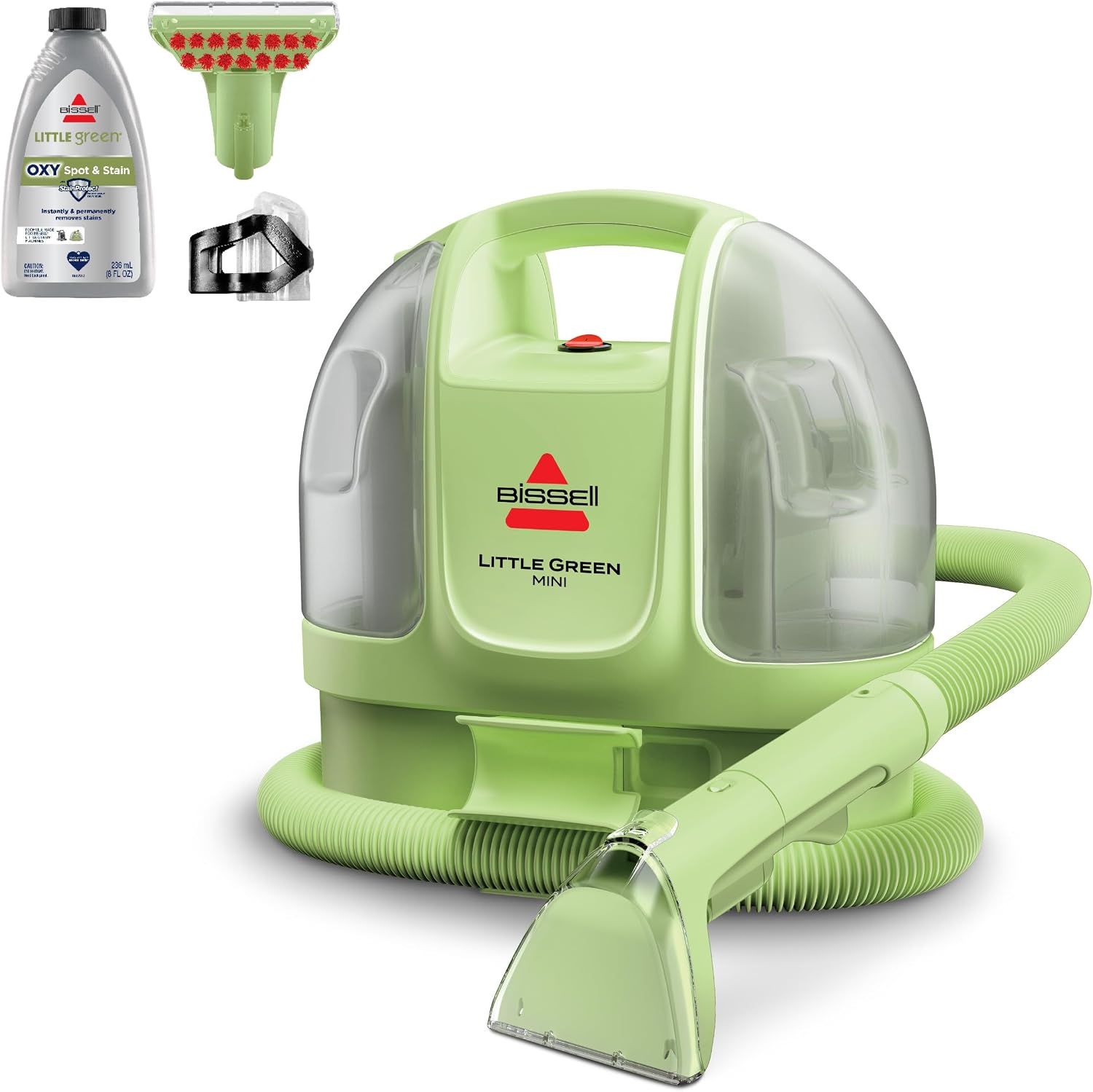
BISSELL Little Green Mini Portable Carpet Cleaner, 4075
Tested in real use, reliable daily performer.
Not the cheapest option on the list.
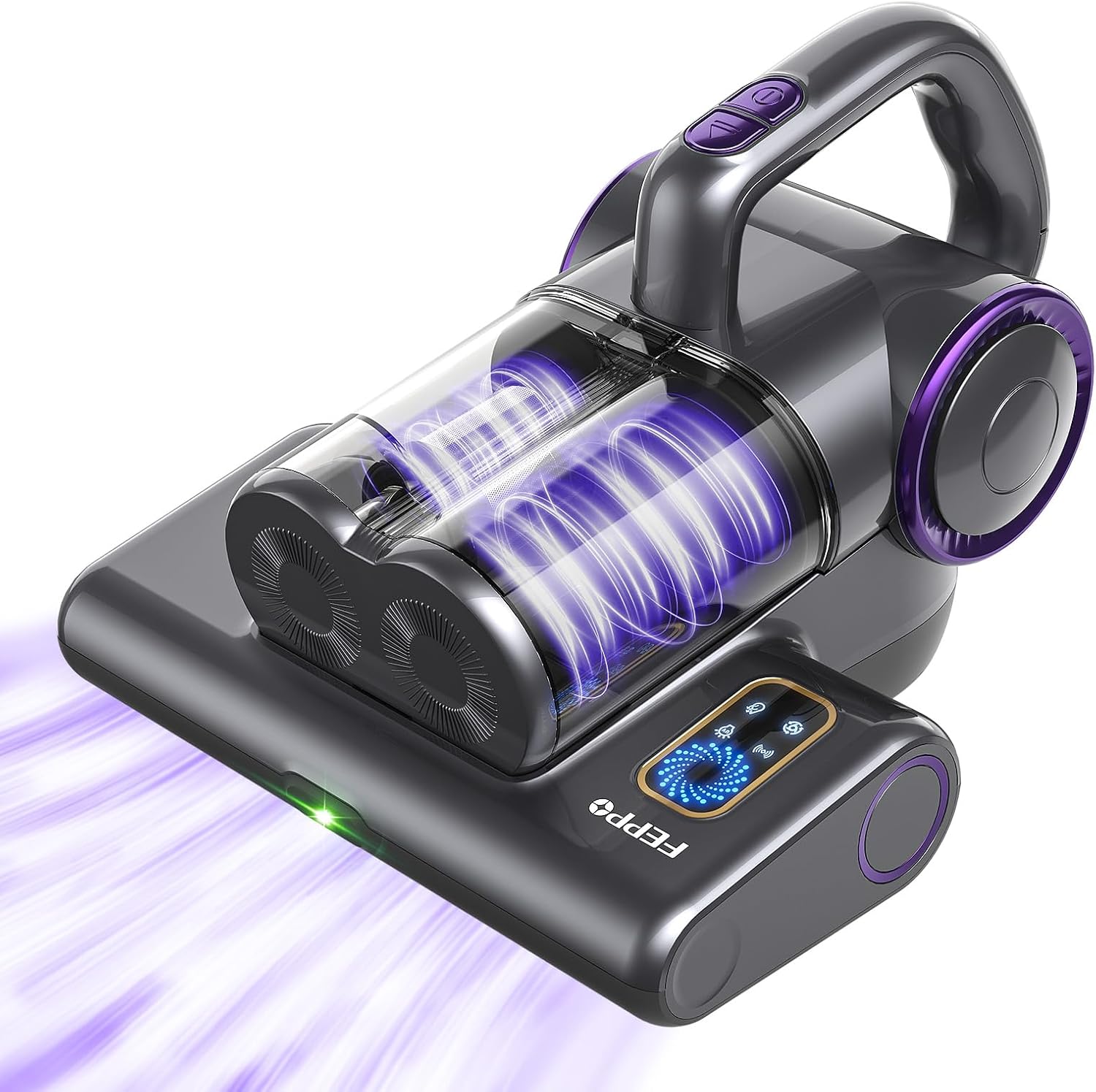
FEPPO Mattress Vacuum Cleaner, 16Kpa Bed Vacuum Cleaner with 253.7nm...
Tested in real use, reliable daily performer.
Not the cheapest option on the list.
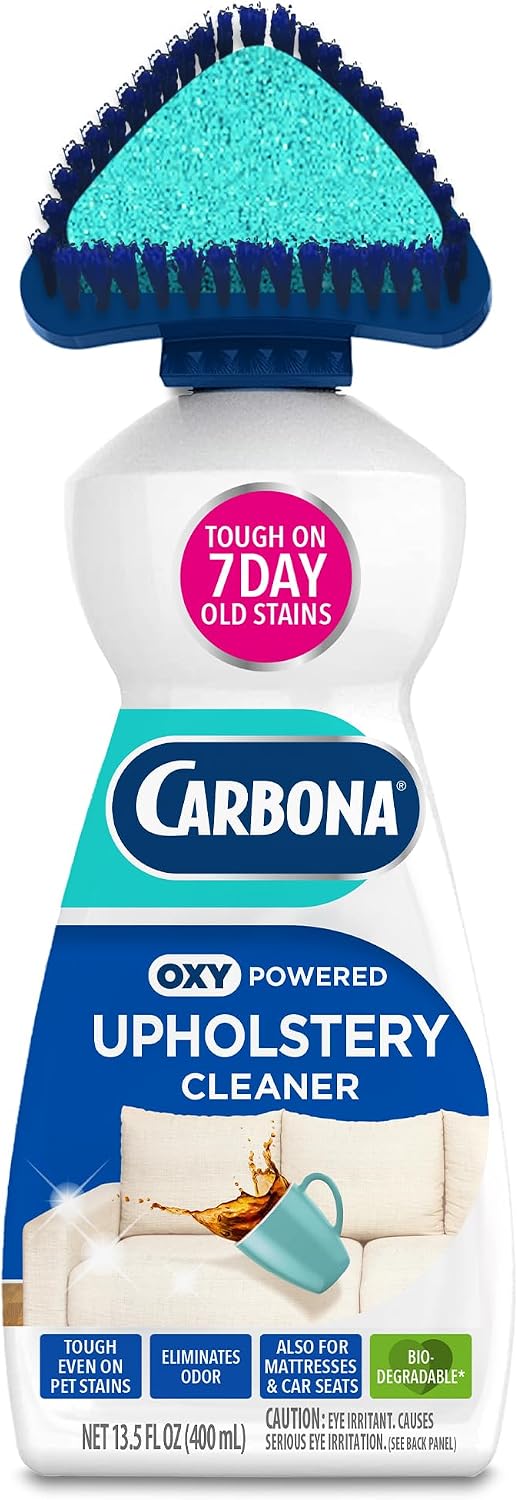
Carbona Oxy Powered Upholstery Cleaner with Brush & Sponge (13.5 Fl...
Tested in real use, reliable daily performer.
Not the cheapest option on the list.
Prices and availability were captured from Amazon Creators API and may change.