The mattress topper vs new mattress question lands in my inbox at least once a week, and it usually arrives phrased as a confession. Someone has a bed that is seven or eight years old, the foam has a divot where they sleep, and they want to know whether a three-inch layer of premium memory foam can buy them another two years or whether they should replace the whole thing.
I am a chiropractor in Charlottesville, Virginia. Eighteen years of practice has taught me that most "my back went out" stories have a furniture chapter, and a decade of testing sleep products has taught me that the answer is almost never the one people want. It depends on whether the support core under your body is still doing its job. So here is the comparison I would run with you in the exam room: three sizes of the Tempur-Pedic TEMPUR-Adapt + Cooling 3-inch topper, and one queen hybrid mattress in a box.
The short answer: if your mattress still holds your spine in neutral and the problem is only in the comfort layer, a topper is the cheaper and faster fix. If the middle of the mattress has collapsed, no topper on the market will rescue it, and a queen hybrid in a box is the honest replacement.
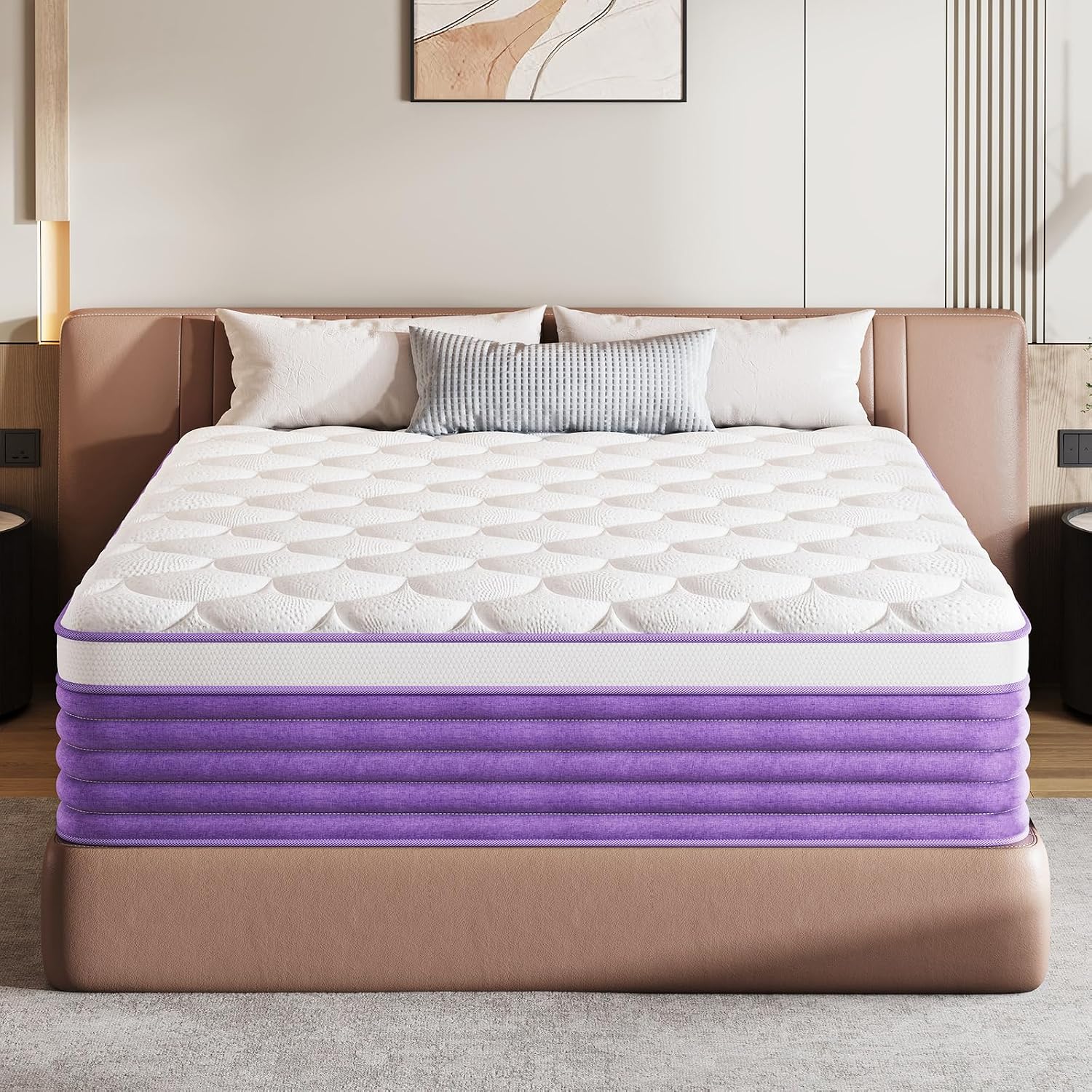
Queen Mattress 12 Inch, Queen Size Mattresses in a Box, Hybrid Mattress
Replaces the failing support layer instead of covering it, and a 12-inch hybrid gives you coils plus foam in the size most primary bedrooms actually use
It is a whole-bed commitment rather than an upgrade, and a compressed mattress needs time to expand before you can judge it
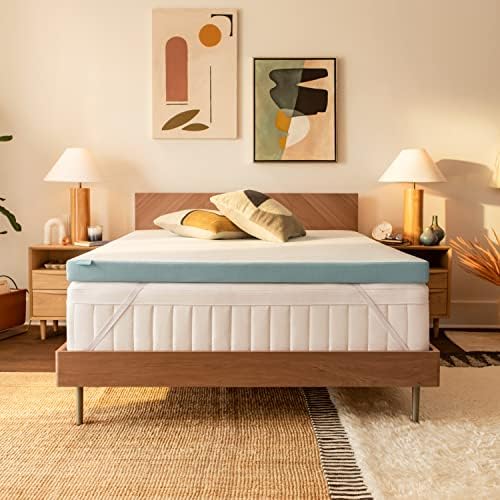
Tempur-Pedic TEMPUR-Adapt + Cooling 3-Inch Twin XL Mattress Topper Luxury Premium Foam, Washable Cover, Cooling Topper, White
The lowest-commitment way to try the TEMPUR-Adapt foam, and the size that fits adjustable bases and dorm beds
One sleeper only, and the listing skips the medium label, so the feel is described differently from the King and Full
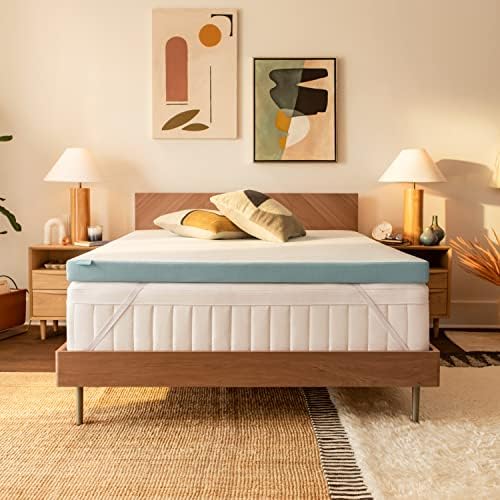
Tempur-Pedic TEMPUR-Adapt + Cooling 3-Inch King Mattress Topper Medium Luxury Premium Foam, Washable Cover, Medium Cooling Topper, white
Full coverage for two sleepers, with the same three-inch foam build and washable cover as the rest of the line
Heavy, awkward to rotate, and a topper on a sagging king is still a topper on a sagging king
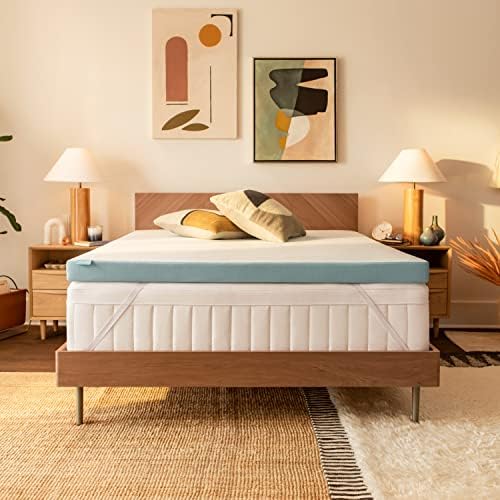
Tempur-Pedic TEMPUR-Adapt + Cooling 3-Inch Full Mattress Topper Medium Luxury Premium Foam, Washable Cover, Medium Cooling Topper, white
The right width for a full bed, and medium is a sensible middle ground for guest rooms and smaller bedrooms
Full is the least common size in the current market, and medium is a label, not a measurable spec
Prices and availability were captured from Amazon Creators API and may change.
How I judge a topper or a bed
Every sleep surface I evaluate gets the same three checks, and the price tag never changes the order. The first is a pressure map, a sensor pad that shows where your body weight concentrates. The second is spinal alignment: I look at whether the surface holds the natural curve of the lower back or lets the hips sink below the ribcage line. The third is edge support, because you sit on the edge of your bed more often than you think when you are putting on shoes.
A topper is judged differently from a full mattress, because a topper is only a comfort layer. It can change how a bed feels. It cannot change how a bed supports. If your foundation, box spring, or mattress core is failing, you are stacking premium foam on top of a structural problem, and you will feel the divot through the foam within a month.
I will be straight with you about one thing. The products in this comparison have not each had a full 30-night trial in my guest room, and my rule is that nothing gets a final verdict without one. What I can do here is lay out the criteria, the construction, and the trade-offs honestly, and tell you exactly what to check before you buy.
The TEMPUR-Adapt toppers: one foam, three sizes
The three Tempur-Pedic entries here are the same product line in three widths. Each is a three-inch layer of TEMPUR-Adapt memory foam with a washable cover and a cooling treatment on the surface. What differs is the size and the wording of the listing.
The Twin XL version is sold as the luxury premium foam build. The King and Full versions carry a "medium" designation in the listing title. That distinction matters more than most shoppers realize, because medium is the most abused word in the mattress industry. There is no standard. A medium from one brand can be a brick from another. If you are buying the King or the Full, read that medium label as a description of the topper's feel relative to the rest of that brand's range, not as an absolute you can compare across manufacturers.
Memory foam's real strength is pressure relief, and three inches is roughly the depth at which memory foam starts doing meaningful work under a shoulder or a hip. A one-inch pad is a mattress protector with ambitions. Three inches is a comfort layer.
The trade-off with memory foam is always the same. It sleeps warmer than latex or a coil-and-air build, and it takes a moment to soften under your body. TEMPUR material is slower to respond than most foams, which some sleepers love and some find confining. If you have ever said you feel stuck in a bed, that is the sensation people mean.
- Twin XL: Check current Amazon price. Visit on Amazon →
- King: Check current Amazon price. Visit on Amazon →
- Full: Check current Amazon price. Visit on Amazon →
Twin XL, Full, or King: size is the real decision
Size decides more than firmness here, because each listing is a single width and you cannot resize foam.
Twin XL is the odd one out in a good way. It is the size that fits adjustable bases and dorm beds, and it is the entry point if you want to try the TEMPUR-Adapt foam before committing to a larger purchase. It is also a one-sleeper size. If you share a bed, a Twin XL topper is a non-starter no matter how good the foam is.
Full is the guest room and small apartment size. A full topper on a full mattress works, and the medium build is a reasonable middle ground for a wide range of sleepers. The catch is that full is the least common size in the current market, which limits how easily you can move it to another bed later.
King is the coverage answer for two sleepers, and it is the size where a topper earns its money: two people, two different pressure profiles, one comfort layer that has to work for both. A king topper is also heavy, awkward to rotate, and hard to wash even with a removable cover. Plan on a second person for the flip.
The queen hybrid mattress in a box
The fourth product here is a different category entirely. It is a 12-inch queen hybrid mattress shipped compressed in a box, which means a coil support core with foam layers above it. Queen is the size most primary bedrooms use, and a hybrid is the construction I recommend most often to patients who want the support of coils with the surface comfort of foam.
A hybrid solves the problem a topper cannot: the support layer. Coils move air, which helps with heat, and they give you a surface that pushes back rather than letting you sink into a divot. The trade-off is commitment. A boxed hybrid is a whole bed, so you are replacing the mattress rather than adding a layer, and a compressed mattress needs time to expand and a foundation that can support it. You also cannot choose the feel of a topper and the support of a hybrid separately. You get one decision instead of two.
Cooling claims, honestly
Cooling is the most overhyped claim in this industry, and I say that as someone who owns a gel-infused mattress. A cooling treatment on a topper can help with the surface temperature right where your skin touches the fabric. It is not air conditioning, and it does not change how much heat your body produces or how much of it is trapped by a dense foam layer.
What actually moves heat is airflow. That is the honest argument for a hybrid with coils over a solid slab of memory foam, and it is why a cooling topper on a warm sleeper is a mitigation, not a cure. If you sleep hot, the cover matters and the gel matters, but the construction under you matters more. Buy the cooling version if it is the same price. Do not pay a large premium for it and expect the feeling of a cold pillow.
Edge support, motion transfer, and the partner test
Two things separate a good sleep surface from an annoying one, and neither shows up on a spec sheet in a way you can trust.
Edge support is how the mattress holds you when you sit on the side. A topper cannot fix weak edge support, because the edge is a function of the core. If you sit on the edge of your bed to dress and the edge collapses, the topper will collapse with it. That is one more point for the hybrid, since a coil perimeter does structural work a foam slab cannot.
Motion transfer is how much movement travels across the bed. Memory foam is excellent at absorbing motion, which is why the TEMPUR-Adapt toppers are a reasonable choice for couples on a bouncy innerspring. A hybrid with coils will transfer more movement than a solid foam build, and a topper on top will soften that, but it will not erase it. If your partner wakes you every time they roll over, foam is your friend.
Foam density and the seven-year question
Foam density is the weight of the foam per cubic foot, and it is the single best predictor of how long a foam product will last. Higher density holds up longer. Lower density feels great in the showroom and develops a body-shaped valley by year two. That is why I push back when someone tells me they found a topper for a fraction of the price. The cheap one that sags was never cheap. It was a rental.
A mattress is a seven to ten year purchase. A topper is a two to four year purchase, and it is worth treating it that way. If you are three years from replacing the bed anyway, a topper is a sensible bridge. If you plan to keep the bed for another decade, put the money into the support layer and buy the hybrid.
Who should buy what
Buy the Twin XL topper if you sleep alone, use an adjustable base, or want to test the TEMPUR-Adapt feel before spending more.
Buy the Full topper if you have a full bed in a guest room or a small apartment and want a straightforward comfort upgrade.
Buy the King topper if you share a king bed and your complaint is pressure, not sag.
Buy the queen hybrid in a box if the mattress itself is the problem: a collapsed middle, a visible divot, or a bed that is past its seventh birthday.
What I am testing next
I have a hybrid on the bench for a full 30-night trial with the pressure map, and the question I want to answer is whether a coil core holds spinal alignment better than a foam-and-topper combination at a similar total cost. I will also be logging how the TEMPUR-Adapt foam behaves under a seated load, because edge behavior is where memory foam toppers most often disappoint. When that logbook fills up, I will publish the numbers. Until then, the criteria above are the ones I would use with a patient in the clinic, and they are the ones I would use with you.