Related: Mattress Firmness, Decoded: What "Medium" Really Means
Eighteen years of chiropractic practice taught me that a lot of the back pain I treat starts in a bed. Not at a desk, not in a gym. In a mattress that stopped holding a spine years ago. So when patients ask me to compare hybrid and memory foam mattresses, I do not start with brand names. I start with two questions: what size fits your room and your sleeping partner, and what happens to your spine at hour six of the night?
The four products below cover the whole range of what that decision looks like. A queen memory foam mattress for the sleeper who wants pressure relief and nothing else. A Full XL hybrid with zoned coils for the person who needs more pushback under the hips. A twin hybrid for a guest room or a first apartment. And a four inch dual layer topper for the person who does not need a new mattress at all, just a better top layer.
One thing I will not do is promise you a cure. A mattress is not treatment. What a good mattress can do is stop working against you. If your spine is unsupported for eight hours a night, nothing else you do holds. That is the standard I hold every bed to, and it is the standard I used to write this.
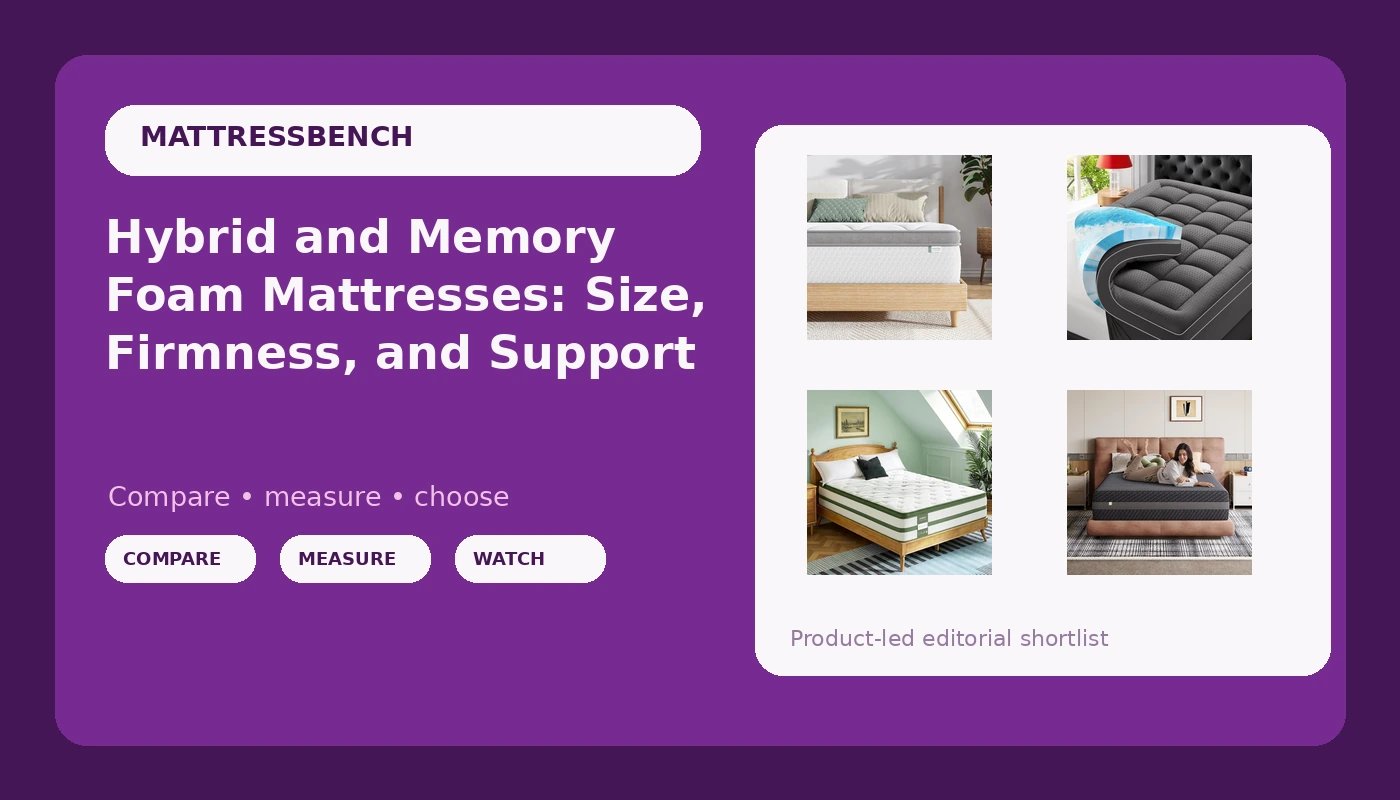
Best Overall: Novilla Queen Gel Memory Foam, 12 Inch
This is the bed I would hand to a patient who wants memory foam and does not want to think about it again. Twelve inches of gel memory foam over a support core, queen size, and a spec sheet built around spinal alignment rather than a novelty layer.
Memory foam's real advantage is pressure redistribution. It conforms, it spreads load, and it does not push back the way an innerspring does. That is why side sleepers and anyone with shoulder or hip pressure tends to like it. The trade off is heat and motion. Gel infusion is the industry's answer to heat, and I will be honest with you: a gel layer is not air conditioning. It helps. It does not turn a foam bed into a cool bed. What actually keeps foam from turning into a sauna is airflow through the base layer and a breathable cover, so read those parts of the listing before you buy any foam mattress.
Twelve inches is a sensible depth for a foam bed. The thin six and eight inch foam mattresses bottom out under a heavier sleeper because there is not enough material between you and the platform. At twelve inches there is room for a comfort layer and a support layer to do separate jobs, and separate jobs are the whole point of a layered build.
Best Hybrid for Support: Full XL 14 Inch with 7-Zone Pocketed Coils
This is the most interesting of the four to me as a clinician, because of the zoning. A 14 inch hybrid: memory foam up top, seven zones of pocketed coils underneath, medium firm as listed, CertiPUR US certified, with a 365 night trial.
Here is why zoning matters. Your hips carry more weight than anything else on the bed. In a uniform mattress the hips sink first, the pelvis rotates back, and the lower back loses its curve. A zoned coil system is built to hold that middle section up while letting the shoulders settle in. For a back sleeper that is the difference between a mattress that supports you and a mattress that just feels soft.
Full XL is the size people forget exists. It keeps the narrower footprint of a full while giving taller sleepers more room head to toe, which is what a growing teenager or a tall single sleeper actually needs.
Fourteen inches is a thick bed, and thick is not automatically better. In a hybrid, depth buys coil height, and coil height is where support comes from. The 365 night trial is the line I would pay attention to here. It is long enough to find out whether the zoning works for your body instead of guessing in a showroom.
Medium firm is the label, and across brands it means almost nothing. One company's medium is another company's brick. Judge firmness by lying on the bed in your own sleeping position and noticing where you feel pressure. Pressure in the lower back means too soft. Pressure in the shoulders and hips means too firm.
Best Small-Room Pick: Novilla Twin Hybrid, 10 Inch
A 10 inch hybrid in a box: pocket innersprings, a pillow top, medium firm as listed, and CertiPUR US certified. This is the bed I would put in a guest room, a teenager's room, or a first apartment, and I would not feel like I was settling.
Pocket innersprings are the right call at this size. Individually wrapped coils move on their own, which is what gives you motion isolation, and motion isolation is the reason two people can share a small bed without one of them waking up every time the other rolls over. The pillow top adds the soft landing. Just watch the construction: a pillow top that is quilted into the cover holds up better than a loose pad sewn on top, because the loose version is where the sag usually starts.
CertiPUR US matters more than most shoppers realize. It means the foam has been tested for certain emissions and content limits, and in a kid's room that is the certification I want to see on the label before I recommend a bed.
Best Fix for the Mattress You Already Own: Dual Layer 4 Inch Memory Foam Topper
Not everyone needs a new mattress. Sometimes the bed is structurally fine and the comfort layer is dead, and that is a topper problem, not a mattress problem. This one is a four inch dual layer build for a queen: two inches of gel memory foam with a two inch pillow top pad cover over it, in grey.
Four inches is a lot of topper, and it will change the feel of a bed substantially. It also changes the height of the bed, which matters if you have a deep mattress and a headboard you like.
My rule for toppers is simple. If the core of your mattress has sagged, a topper will sag with it and you have bought a symptom. If the core is sound and the top layer is just compressed, a topper buys you a few more years for a fraction of the cost of a new bed. Press the middle of your mattress with your palm. If the support layer gives way underneath, replace the mattress.
Back pain is in the product name here, and I want to be careful with that. A topper cannot correct a bed that has lost its support. What it can do is add pressure relief on top of a mattress that is too firm, which is a real and very common problem, especially for side sleepers on an inexpensive firm bed.
How I Evaluate a Mattress
Every mattress I look at gets the same four checks, and none of them happen in a showroom.
Pressure mapping. A sensor pad shows where your weight concentrates. If the map shows a hot spot under your hips or shoulders, the bed is fighting you, no matter how good it feels in the first five minutes.
Spinal alignment. I care about whether the bed holds the natural curve of your lower back. A mattress that lets your pelvis sink is a mattress that has you waking up stiff.
Edge support. Sit on the edge. If it collapses, you will feel it every single morning when you sit down to put your shoes on, and it shrinks the usable surface of the bed by more than you think.
Durability. Six months tells you most of what you need to know. Sagging in year two is the most common failure I see, and foam density is the number that predicts it. It is also the number almost nobody advertises.
What the Specs Actually Tell You
Foam density is the honest number. Higher density foam costs more and lasts longer. If a listing will not tell you the density of its comfort layer, assume it is on the low side.
Coil construction matters more than coil count. Pocketed coils that move independently isolate motion; a shared coil unit transfers it. Seven zones is a real design choice, not a marketing word, because zoning is what keeps the hips from dragging the lower back out of alignment.
CertiPUR US is a materials certification, not a comfort claim. It tells you what is in the foam. It does not tell you whether the bed is right for your spine.
A long trial period is worth more than any spec on the page. The 365 night trial on the Full XL hybrid is the kind of window that lets you test a bed through a summer, a winter, and a bad week at work. Thirty nights is the minimum I would accept. Ninety is better.
Cooling claims are the most overhyped thing in this industry. A gel layer is not air conditioning. If you sleep hot, look for airflow in the construction and a breathable cover, and treat every cooling badge as a nice extra rather than a feature you are paying for.
Mattress Comparison Table
Here is the same information in one place. Every row is a product I would put in front of a patient, sorted by what it does best.
| Product | Type | Size | Best for | Price |
|---|---|---|---|---|
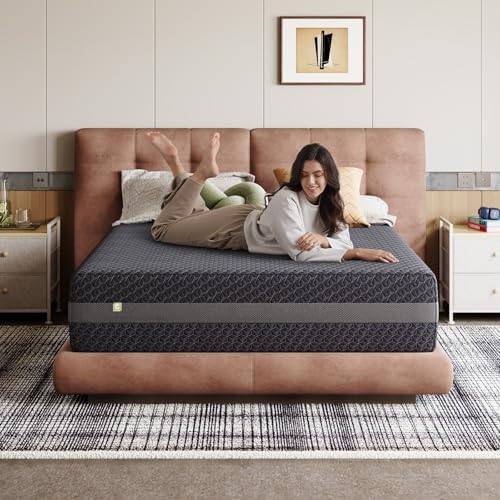 Visit on Amazon → Novilla Queen Gel Memory Foam, 12 Inch |
Gel memory foam | Queen | Pressure relief and spinal alignment | Check current Amazon price |
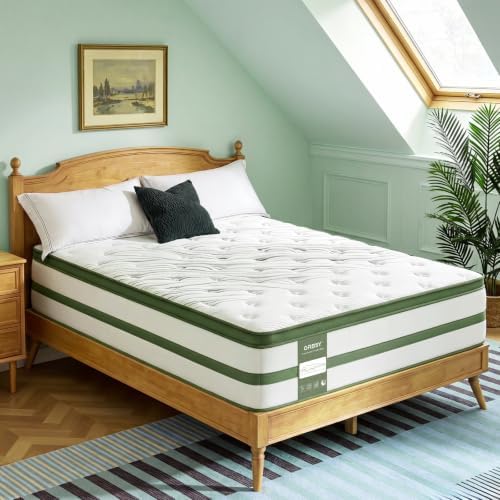 Visit on Amazon → Full XL 14 Inch Hybrid with 7-Zone Pocketed Coils |
Hybrid, memory foam over pocketed coils | Full XL | Zoned support for the hips and lower back | $299.99 |
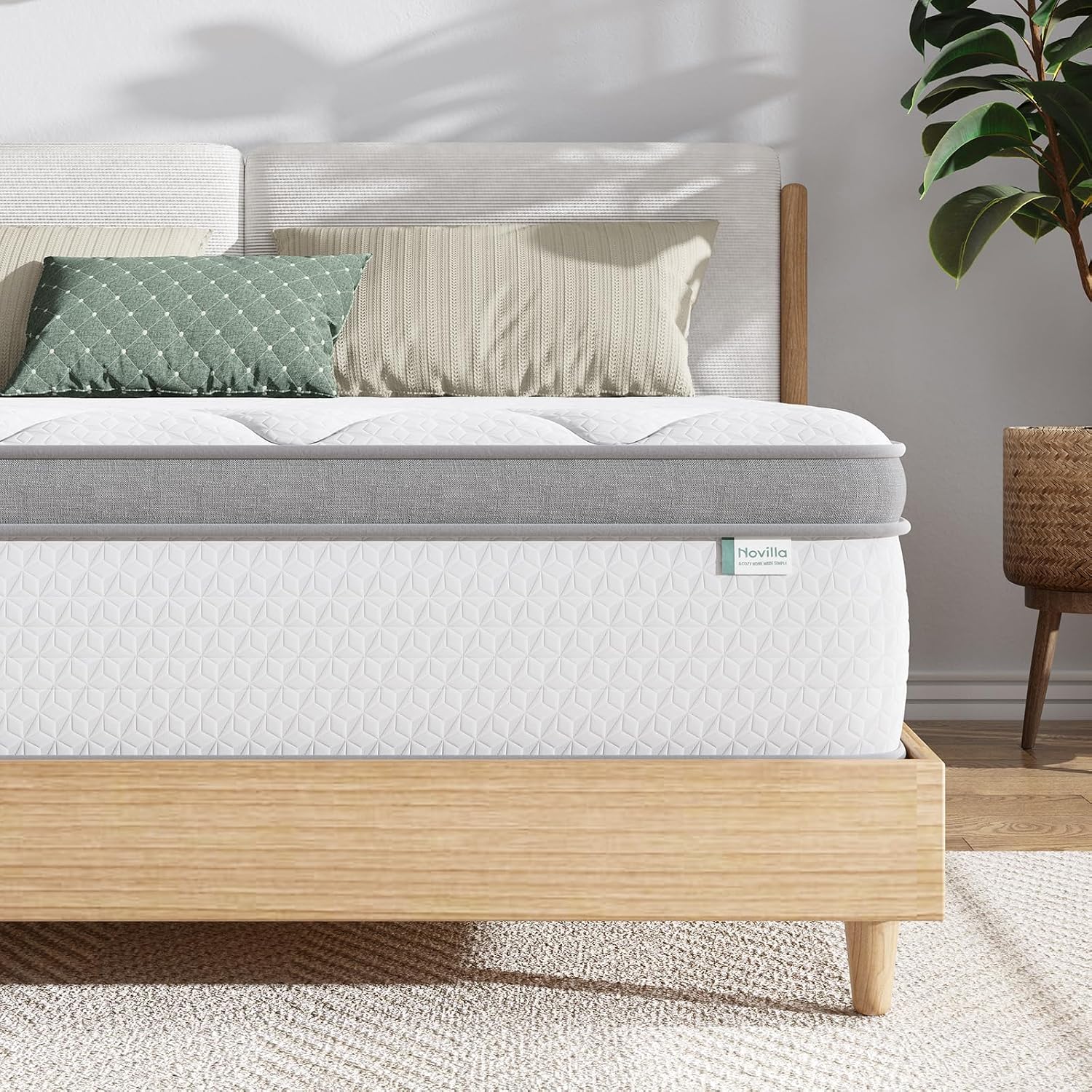 Visit on Amazon → Novilla Twin Hybrid, 10 Inch |
Hybrid, pillow top over pocket innersprings | Twin | Guest rooms, kids' rooms, small spaces | $130.93 |
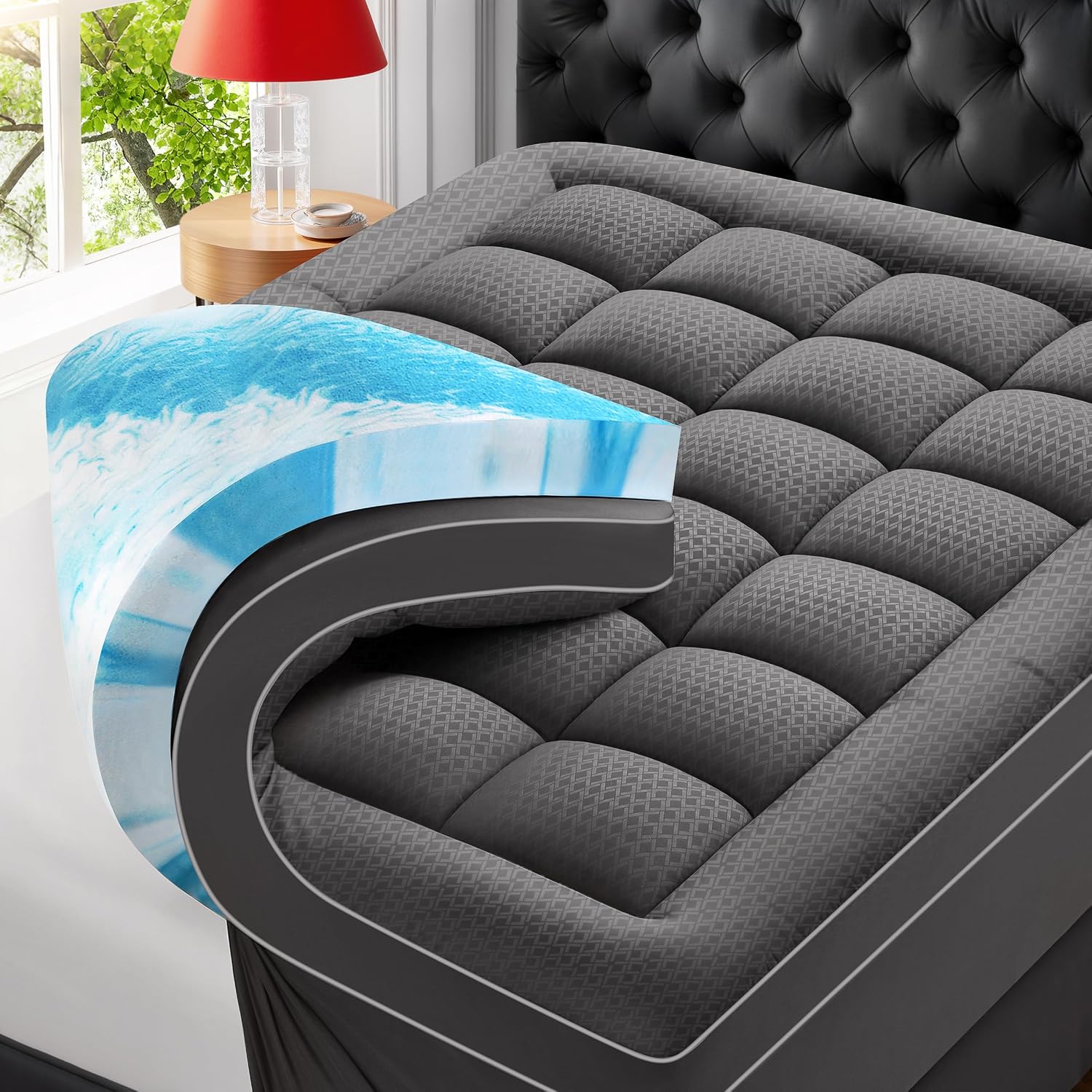 Visit on Amazon → Dual Layer 4 Inch Memory Foam Topper |
Gel memory foam plus pillow top pad cover | Queen | Adding pressure relief to a bed you already own | $98.41 |
Sizes: The Mistake Most People Make
Buy the size for the way you sleep, not for the room you have. A twin hybrid is a great guest bed and a poor primary bed for an adult, because you cannot spread out without hitting an edge, and edge support on a small bed matters more, not less.
Full XL is the quiet upgrade. If you are tall and shopping for a single sleeper bed, the extra length is worth more than an extra few inches of width.
Queen is the default for couples for a reason, and it is the size where the queen foam mattress and the queen topper above make the most sense.
And measure your stairwell before you order anything. A 14 inch hybrid in a box still has to get to the bedroom.
Should You Buy the Novilla Queen Gel Memory Foam, 12 Inch?
Yes, if you want memory foam and you care about alignment more than bounce. It is the simplest of the four to recommend: a queen, twelve inches deep, built around spinal alignment. If you sleep hot, read the airflow specs first, because gel foam is not a cooling system.
Should You Buy the Full XL 14 Inch Hybrid?
Yes, if you want zoned support and you are willing to use the trial. The seven zone pocketed coil design is aimed at the exact problem I see most often, which is a pelvis that sinks and a lower back that pays for it. Give it the full trial window, not a weekend.
Should You Buy the Novilla Twin Hybrid?
Yes, for a guest room, a kid's room, or a first apartment. Pocket innersprings give you motion isolation, the pillow top gives you a soft landing, and CertiPUR US gives you a materials story I am comfortable with in a child's room.
Should You Buy the Dual Layer 4 Inch Topper?
Only if your mattress core is still sound. If it is, four inches of gel foam and pillow top is the cheapest real improvement you can make to a bed that is too firm or too flat. If the core has given up, put the money toward the Full XL hybrid or the queen memory foam instead.
The Bottom Line
Firmness is personal. Support is not. Every bed on this list is judged on the same question: does it hold a spine in alignment for eight hours, night after night, for years? The queen gel memory foam mattress wins on pressure relief. The Full XL hybrid wins on zoned support. The twin hybrid wins on value in a small room. And the topper wins when the honest answer is that you do not need a new mattress yet.